
How to prevent mould in your air conditioner
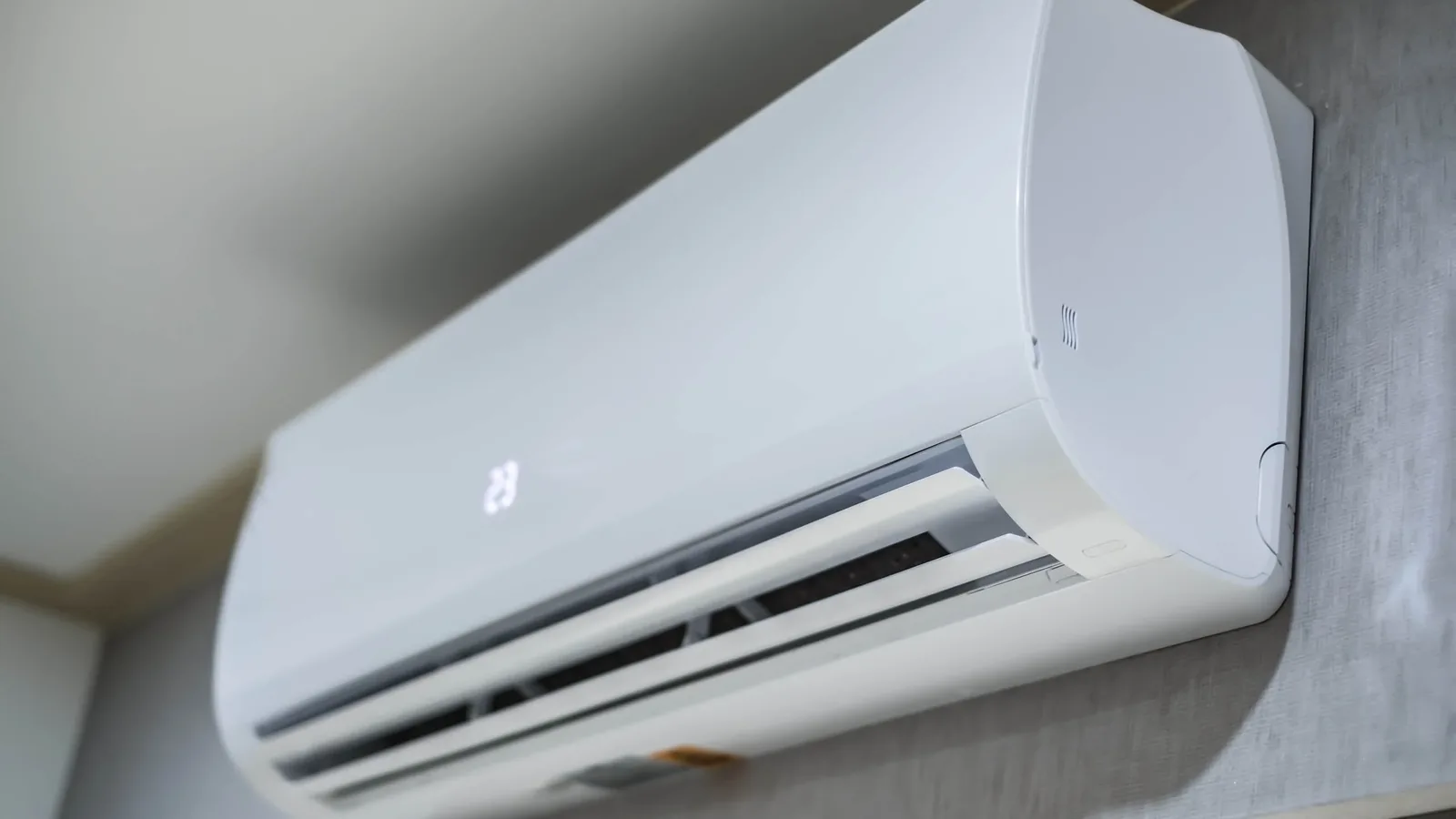
Prevention comes down to one idea: don’t leave the inside of the unit wet. Mould needs moisture more than it needs anything else, and an air conditioner that dries out after use is a far less hospitable place than one switched off soaking. Everything below follows from that.
Why drying out is the whole game
When your system cools, moisture condenses on the evaporator coil. That’s normal and unavoidable, it’s how cooling works. The problem is what happens when you hit the off button: the coil is wet, the fan is wet, the pan holds water, and the whole cabinet sits sealed in the dark for the next twelve hours.
Do that nightly through summer and growth is a matter of time. Give the unit a chance to dry between uses and you dramatically slow it down. Full background in why does mould grow inside air conditioners.
The habits that matter
Run fan or dry mode before shutting down
This is the highest-value habit on the list and it’s free. Fifteen to thirty minutes of fan-only running at the end of a cooling session moves air across the coil and dries it out. Some systems have a self-dry or clean function that does this automatically, so check your remote before you do it manually.
If you use a timer to shut the system off overnight, set it to switch to fan mode rather than off where the unit supports it.
Don’t set it colder than you need
The colder the coil runs relative to the room, the more moisture condenses on it. Running at 24 degrees instead of 18 means less condensation, less water through the pan and a system that’s easier to keep dry. It’s also less work for the equipment.
Wash the filters on a schedule, not when you remember
Every two to four weeks while the system is in use. Filters catch the dust that would otherwise stick to a wet coil, and mould needs that dust as much as it needs water. Dry them completely before refitting, because a damp filter puts moisture straight back where you’re trying to avoid it. The method is in how to clean a split system air conditioner.
Keep the drain clear
A drain that flows properly means the pan empties between uses. A restricted one leaves standing water sitting under the coil permanently, which is a reservoir nothing else you do will overcome. Check the outlet outside is clear of debris and that you can see water discharging while the system runs on a humid day. Don’t push anything rigid up the line. See air conditioner leaking water.
Manage humidity in the room itself
If the air in the room is persistently damp, everything in it stays damp, including the inside of your air conditioner. Use extraction fans in bathrooms and kitchens and let them run afterwards, open windows when the outside air is drier than the inside, and consider a dehumidifier in a room that genuinely doesn’t dry out. Dry mode on the air conditioner also helps, since it prioritises moisture removal over cooling.
Keep the outdoor unit clear
Leave half a metre clear around it, trim back plants, clear leaves off the top and out of the fins. A smothered outdoor unit can’t shed heat properly, which makes the whole system work harder and run longer, which means more condensation inside.
Don’t leave it idle for months untouched
Idle systems are where we most consistently find established growth, which is why a pre-season clean tends to be better timed than one at the end of summer. Whatever moisture and dust was in there when it was switched off in March sits undisturbed until October. Run it in fan mode for twenty minutes every few weeks through the off-season. It costs almost nothing and keeps air moving through the cabinet.
Prevention works best from a clean start
These habits keep a clean system clean. They won’t clear growth that’s already established on the coil and fan. If it already smells, start with a clean, then keep it that way.
A seasonal routine for the Queensland climate
Wash filters, wipe louvres and casing, clear the outdoor unit, check the drain discharges. Book the annual clean now rather than in the January rush.
Filters every two to four weeks. Fan or dry mode before every shutdown, without exception. Watch for the first hint of a musty smell and act on it.
Give it a final filter wash and a long fan run so it goes into the quiet months dry rather than damp.
Fan mode for twenty minutes every few weeks. If you use it for heating, the same drying principle doesn’t apply, but keep the filters clean.
Holiday homes, rentals and rooms that sit empty
These are the hardest cases, because nobody is there to do any of the above. Systems get run hard by guests, switched straight off at checkout, then left closed up in a humid house for weeks.
What works: a six-monthly service schedule rather than annual, a note in the guest information asking them to leave the system on fan for a while before departure, and a cleaner’s checklist item to run fan mode during turnover. We set up scheduled programmes for accommodation providers, property managers and body corporate properties around Noosa and the Sunshine Coast for this reason.
What prevention can’t undo
Being straight about the limits: none of this removes growth that’s already on the coil or packed into the barrel fan, which is what a professional split system clean is for. Those surfaces need physical cleaning, and no habit change or spray reaches them. If your system already smells musty, prevention is the step after the clean, not instead of it.
It also won’t overcome a blocked drain, a cracked pan or a unit that isn’t sitting level. If mould has come back despite good habits, something mechanical is likely keeping it wet. See why does air conditioner mould keep coming back.
Where professional cleaning fits
Prevention extends the interval between services. It doesn’t replace them, because condensation still forms on the coil every time the system runs and biofilm still builds in the drain regardless of how careful you are. Every six to twelve months depending on use, per how often should you clean your air conditioner. Good habits mean the technician finds less, and the clean holds longer.
Common questions
Does running fan mode after cooling really help?
Yes, and it’s the single most effective thing you can do. It dries the coil and fan instead of leaving them wet in a sealed cabinet for hours. Fifteen to thirty minutes is enough. Many systems have a built-in dry or self-clean function that does the same job.
Does dry mode prevent mould?
It helps in two ways: it lowers room humidity, and used at the end of a session it dries the unit out. It’s a genuine prevention tool rather than a cure, and it won’t clear existing growth.
Should I leave the air conditioner off all winter?
Not completely untouched. Run it in fan mode for twenty minutes every few weeks. Systems left sealed and idle for months are consistently the worst ones we open up, because nothing moves and nothing dries.
Do antimicrobial or mould-resistant filters work?
They may slow growth on the filter itself. They don’t affect the coil, the barrel fan or the drain pan, which is where the problem actually is. A standard filter washed regularly does more good than a treated filter left in place.
How do I keep the drain clear between services?
Keep the outside outlet free of debris and check that water discharges while the system runs on a humid day. If it isn’t discharging, or you see water anywhere near the indoor unit, that needs looking at rather than waiting. Don’t push wire or rods up the line, it’s easy to damage.
Will a dehumidifier in the room help?
In a room that genuinely stays damp, yes, because drier room air means less moisture condensing inside the unit and surfaces drying faster. In a normally ventilated room it’s unnecessary, and the fan-mode habit will do more for less money.
Spotless Clean Air Services holds a Certificate II in Air Conditioning Hygiene accreditation. These are the habits he recommends to customers after a clean, ranked by how much difference they actually make.